
The principle: fewer, better, compatible
Most men do not lack clothes; they lack clothes that work together. A versatile men's formal wardrobe is built like a good set of building blocks — every piece connects to most of the others. The test of a new item is not "Is it nice?" but "How many things I already own does it go with?"
This approach saves time each morning, reduces the number of pieces you need, and makes it easier to invest in better quality. It also makes travel and busy weeks simpler, because any trouser in your rotation can be paired with any shirt without a second thought.
The question is never "Is it nice?" It is "How many things I own does it go with?"
The trouser core
Trousers are the right place to begin, because they are the largest block of colour in most office outfits and the piece most shirts and shoes must agree with.
Stage one: three dependable colours
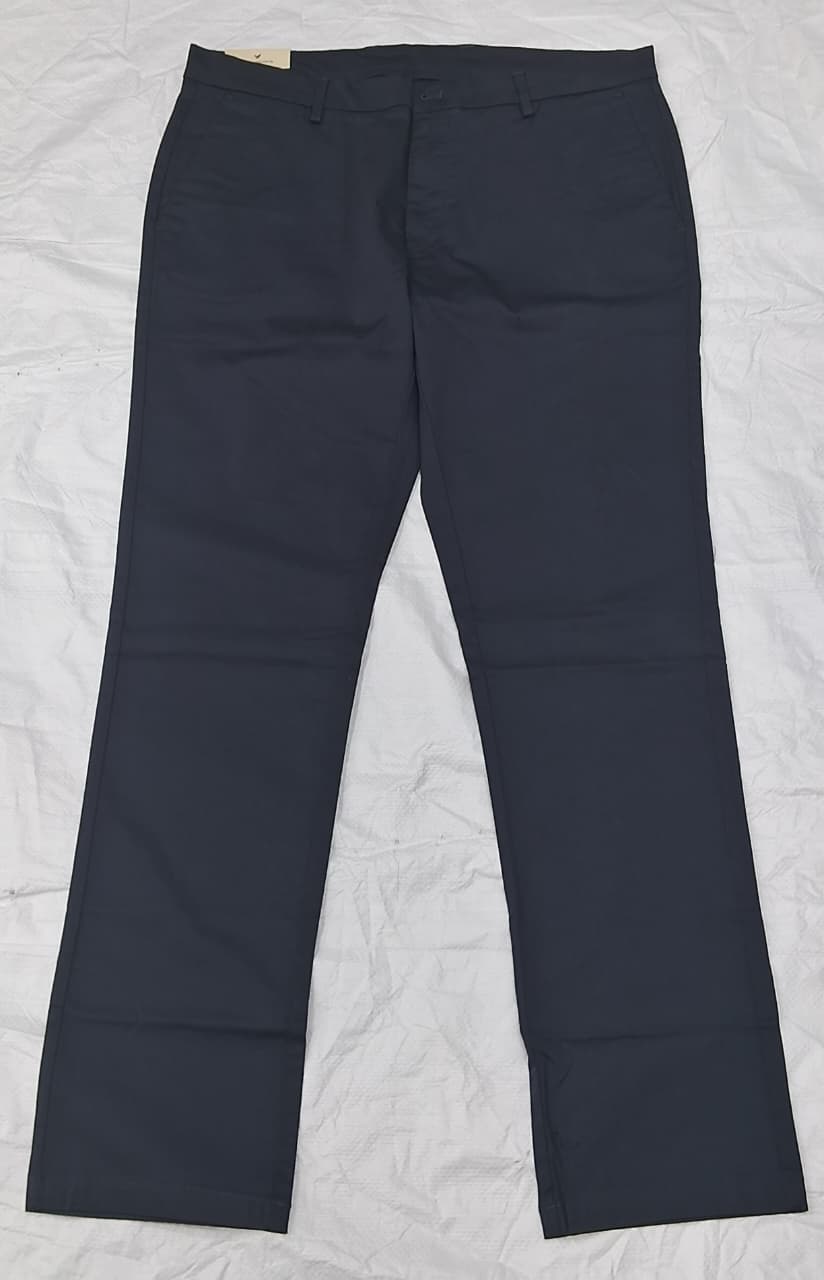
- Navy — pairs with nearly every shirt colour and both black and brown shoes.
- Charcoal grey — slightly more formal, very easy with white and blue shirts.
- Mid or light grey — softer, works well in warm weather and with patterned shirts.
With these three you can dress for most business formal settings. Keep the cut consistent — if a slim or tailored-straight fit suits you, buy all three in that silhouette so they behave the same with your shoes and hem length. The Fits & Silhouettes room helps you decide which cut that should be.
Stage two: depth and variety
Once the core is in place, add one or two trousers that widen your range:
- Black for evening events and strict dress codes.
- An earth tone — taupe, stone, khaki or brown — for relaxed office days and smart-casual occasions.
- A subtle texture or pattern, such as a fine check or a soft brushed cloth, to add interest without breaking compatibility.
Before adding a fourth or fifth trouser, lay it next to every shirt you own. If it works with fewer than half of them, it is a statement piece rather than a wardrobe piece — fine to have, but not the next thing to buy.
Shirts and layers that multiply
Shirts are where variety is cheapest and easiest. A modest set creates a large number of combinations with a three-trouser core.
- White — the most formal and adaptable; at least two are worth having.
- Light blue — the everyday workhorse, flattering on most complexions.
- Pale pink or lavender — adds warmth while staying professional.
- A fine stripe or small check — introduces pattern that plain trousers can easily carry.
Three trousers and five shirts already give you fifteen distinct pairings before shoes and layers are counted. Add a navy or grey blazer and a fine-knit sweater or sleeveless pullover for cooler, air-conditioned offices, and the range grows again. For specific colour pairings, see Navy Trousers and Shirt Combinations and Colour & Composition.
Keep patterns in one place
A simple rule keeps combinations safe: let only one piece carry a noticeable pattern at a time. A checked trouser with a plain shirt, or a striped shirt with a plain trouser, is easy; two patterns together need more care.
Shoes, belts and the finishing set
Footwear multiplies or limits everything above it. Two pairs cover most needs:
- Black oxfords or derbies for formal days, black trousers and evening events.
- Dark brown lace-ups or loafers for navy, grey and earth-toned trousers on everyday office days.
Add a matching black and dark brown belt, and socks in navy, charcoal and brown. A burgundy shoe or a suede loafer can follow later as a third option. For detailed guidance, read How to Coordinate Formal Trousers with Shoes.
Adapting to climate and calendar
A versatile wardrobe also has to work across the year. In a warm, humid climate, most of your core trousers should be in light, breathable weaves, with perhaps one heavier or brushed pair for air-conditioned offices and cooler evenings. Weddings, festivals and formal dinners can usually be covered by your darkest trouser with a sharper shirt and polished black shoes, so there is rarely a need to buy separately for each occasion.
Rotation and care
A versatile wardrobe only stays versatile if it stays in good condition. Rotation is the simplest form of care.
- Avoid wearing the same trouser on consecutive days; a rest lets fibres recover and creases fall out.
- Hang trousers by the hem or folded along the crease over a padded bar, not bunched on a hook.
- Brush or air them after wearing instead of washing after every use, unless the care label suggests otherwise.
- Press along the original crease line so it stays sharp and single.
- Deal with small repairs — a loose button, a fraying hem — before they spread.
The build order
If you are starting from scratch or rebuilding, this sequence gives the most combinations for the fewest pieces:
- A navy formal trouser in your best-fitting cut.
- Two white shirts and one light blue shirt.
- Dark brown shoes with a matching belt.
- A charcoal trouser in the same cut.
- Black shoes with a matching belt.
- A mid-grey trouser and a pale pink or lavender shirt.
- A navy or grey blazer and a fine-knit layer.
- An earth-toned or textured trouser for variety.
Build slowly, and buy each piece because it fits the system, not because it stands out on its own. For a broader view of how these pieces serve different roles at work, visit The Professional Wardrobe. If you would like advice on where to begin, contact Options Mall.