Understanding black before styling it
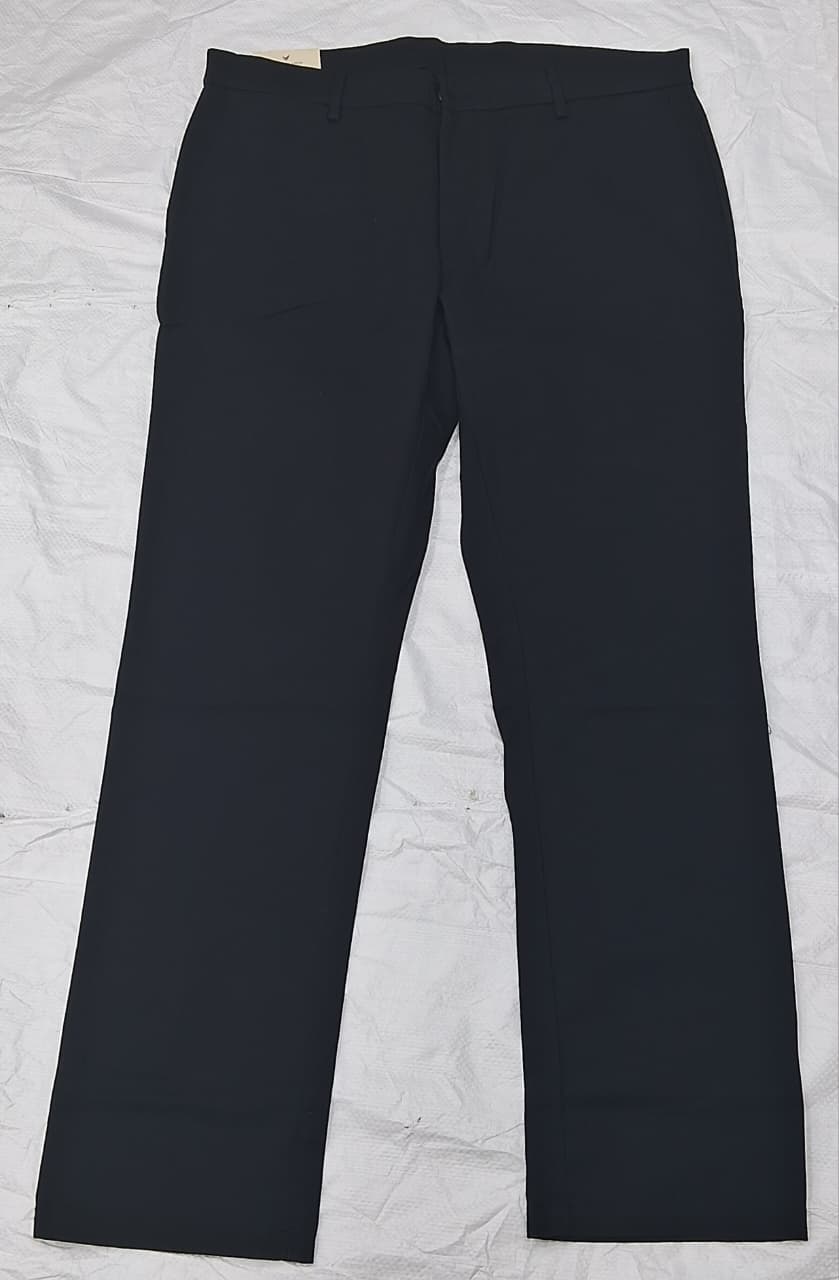
Black formal trousers have a reputation as the safe option, and in many ways they are. They hide creases from a long commute, suit almost every skin tone and work from interviews to evening functions. Yet black is also the most absolute colour in a wardrobe. It absorbs light, flattens texture and shows every contrast placed next to it. Styling it well means accepting that the trousers will rarely be the interesting part of the outfit — they are the frame.
It also helps to know where black sits in tradition. In classic business dressing, charcoal and navy have usually been preferred for daytime suits, while black has been associated more with evening and ceremonial wear. Today the lines are far looser, and black trousers are common in offices, but that history explains why black can feel slightly severe in bright daylight.
Choosing a shirt for black trousers
The shirt does most of the work. Think in terms of contrast level: high contrast feels crisp and formal, low contrast feels moody and modern.
High contrast
- White: the sharpest, most formal pairing. Ideal for interviews, presentations and events.
- Pale blue: slightly softer than white and easier in daylight. A reliable everyday office combination.
- Pale pink or lilac: adds warmth while staying professional; black grounds the colour so it never looks loud.
Medium contrast
- Light grey: quiet and modern, especially in a fine texture such as oxford or twill.
- Muted tones such as dusty green, soft burgundy or sand: good for creative workplaces and dinners.
Low contrast
- Charcoal or black: tonal dressing that can look elegant in the evening. Vary the textures — a knitted polo or a fabric with sheen — so the outfit does not become a single block.
With black trousers, the shirt sets the mood. White says formal, pale blue says working day, black-on-black says evening.
For a broader view of how colours relate to each other, the Colour & Composition room explains contrast and harmony across the full range of formal trouser colours.
Shoes and belts
Black shoes are the natural partner. Black Oxfords or Derbies in polished leather suit the most formal settings; black loafers make the look a little lighter. Because the trousers and shoes are the same colour, the leg appears longer and uninterrupted — a useful trick for shorter men.
Brown shoes with black trousers are more divisive. Very dark brown can work in relaxed settings, but mid or tan browns tend to create a sharp break at the ankle that pulls attention downward. If you want to experiment, keep the rest of the outfit simple so the contrast looks deliberate. Our article on formal trousers and shoes goes further into these pairings.
Match the belt to the shoes. A slim black leather belt with a plain buckle is the most versatile choice; avoid large or shiny buckles in formal settings.
Black shows fabric quality more than any other colour. A matte, finely woven cloth looks rich; a thin, shiny one looks cheap under office lighting. When choosing black trousers, look closely at the surface of the cloth in daylight.
Jackets and knitwear
Wearing black trousers with a contrasting jacket is one of the easiest ways to build a smart outfit without a suit. Good options include:
- Grey jacket: mid or light grey creates a calm, professional contrast.
- Camel or tan: warmer and more relaxed; works for weekend events and dinners.
- Textured jackets such as tweed-effect or hopsack weaves: the texture breaks up the flatness of black.
Avoid wearing black trousers with a navy jacket that is close to black — the two will look like a mismatched suit rather than an intentional combination. In cooler air-conditioned offices, a fine merino crew-neck in grey or burgundy over a white shirt is a smart alternative to a jacket.
Four complete outfits
The interview
Black trousers, a crisp white shirt, a dark tie in navy or burgundy, black Oxfords and a matching belt. Simple, sharp and impossible to misread.
The working week
Black trousers with a pale blue shirt, sleeves neatly rolled or buttoned, black loafers and a slim watch. Comfortable for long days in men's office trousers without feeling stiff.
The evening dinner
Black trousers, a black or charcoal shirt, a textured grey jacket and polished black shoes. Keep accessories minimal to let the tonal palette speak.
The festive function
Black trousers with a jewel-toned shirt — deep green or maroon — and black loafers. The trousers anchor a bolder colour so it reads as celebratory rather than loud.
Common pitfalls
- Pairing faded black trousers with a newer, deeper black jacket — the mismatch is obvious.
- Wearing white sports socks; choose black or charcoal socks to keep the line unbroken.
- Choosing a shiny fabric for daytime office wear.
- Letting the hem collapse in heavy folds, which is especially visible on black.
- Overloading the outfit with bright accessories to "lift" it.
Length matters here because black shows every fold at the ankle. If your hems tend to pool, read understanding trouser length and break.
Keeping black, black
Black dye fades with repeated washing and strong sun. Turn trousers inside out before washing, use cold water and a mild detergent, and dry them in the shade. Where the care label allows, steaming or pressing through a cloth avoids the shine that a hot iron can leave on dark fabrics. Rotating between two pairs also slows fading considerably.
Styled with care, black formal trousers will cover more occasions than almost any other colour you own. To explore more combinations, visit Colour & Composition, or contact Options Mall in Vile Parle West, Mumbai, for advice on building your formal wardrobe.